

Survival on X-Isle demands adherence to tactical doctrines, but navigating the moral landscape requires adherence to the **Unwritten Raider’s Code (URC)**. In a world of absolute scarcity, every decision regarding resources, aid, and risk carries a profound ethical weight, forcing the Raider to balance immediate self-preservation against the collective moral framework of the Resistance. This constant negotiation between necessity and altruism is the ultimate test of the human spirit in the face of machine logic, defining the philosophical integrity of our fight.
This analysis dissects the core ethical dilemmas inherent to the Raider existence, examining how personal choice shapes the moral cohesion of the Community Hub and the overall purpose of the struggle (TPP).
Dilemma 1: The Incapacitation of a Non-Teammate
The core of Cooperative Protocol (CP) mandates aid for teammates (R-EP). However, Raiders often encounter unaligned individuals or unorganized squads facing incapacitation. The ethical dilemma is stark: assisting the stranger costs resources (DMT supplies, ammunition) and time, potentially compromising the primary mission objective and the survival of one’s own squad.
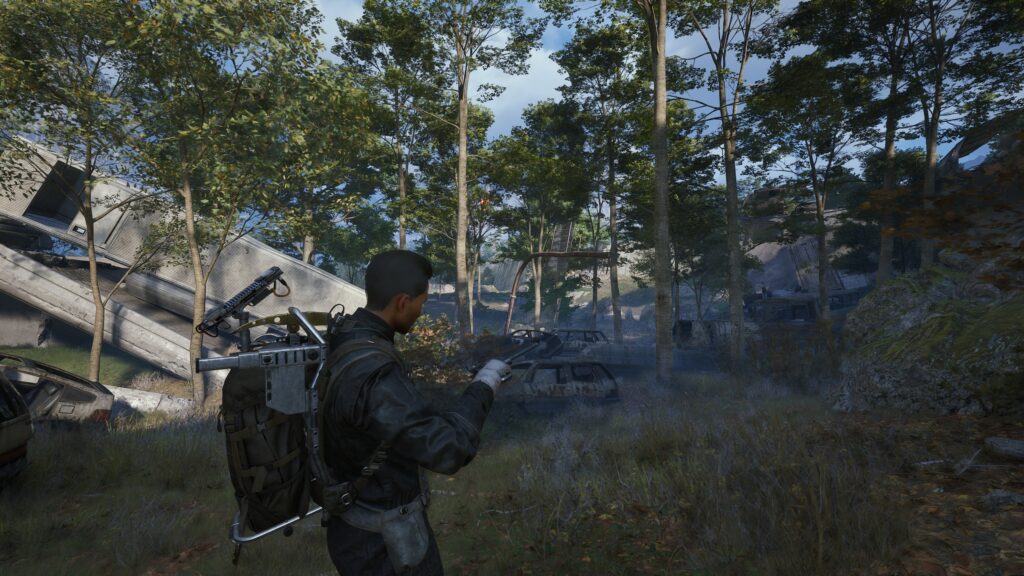
- **Code Adherence:** The URC generally favors assistance, viewing all human life as a collective resource against ARC. Failure to aid reinforces ARC’s dehumanizing logic.
- **Pragmatic Exception:** Assistance is unethical if the act guarantees mission failure, thus compromising the greater collective resource supply (LPO). The choice is made based on the team’s remaining capacity, not moral impulse alone.
Dilemma 2: Resource Hoarding vs. Collective Need
Logistical Planning Optimization (LPO) mandates efficient resource collection, but the URC dictates resource transparency.
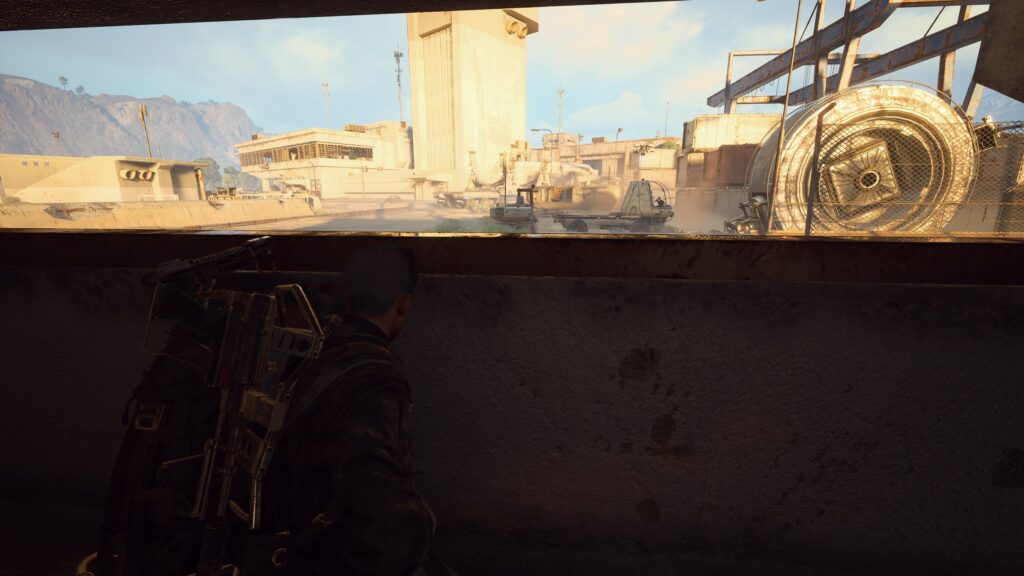
The discovery of rare Tier III salvage (e.g., a pristine Fusion Core) presents the choice: hoard the component for personal weapon progression (BAS) or immediately contribute it to the Community Hub’s collective pool to benefit critical, high-priority upgrades (Shield Wall, Jammer). Hoarding destabilizes the collective’s technological advancement.
Dilemma 3: Asset Denial vs. Risk of Capture
The Pyrrhic Victory Protocol (PVP) dictates Asset Denial—destroying high-value salvage if extraction is impossible. The ethical choice arises if the asset denial requires the use of the team’s last available Fusion Charge. **The Dilemma:** Is it more ethical to save the Fusion Charge for the next mission (ensuring future viability) or use it for a certain Asset Denial (preventing ARC technological gain)?
| Ethical Choice | Supporting Doctrine | Negative Consequence |
|---|---|---|
| **Aid Unaligned Raider** | Humanity and Collective Survival (TPP). | Immediate depletion of team medical/ammo supply. |
| **Hoard Salvage** | Personal specialization and readiness (BAS). | Undermines Hub’s technological advancement. |
| **Engage Weakened Faction** | Elimination of future logistical threat (FGP). | Moral violation of URC; potential unnecessary human conflict. |
Dilemma 4: Engaging Human Hostiles (Factional Dynamics)
The presence of hostile human factions (e.g., Technocrats or Bandits) presents the most direct ethical conflict.

While defensive kinetic action is justified, the URC dictates that human life is inherently valuable. **The Dilemma:** Is it ethical to initiate an ambush or pursue a wounded human hostile to acquire their unique salvage or blueprints, or is the effort best spent eliminating ARC units?
The URC and the Paradox of Persistence (TPP)
The Unwritten Raider’s Code ultimately serves to reinforce the Paradox of Persistence. By choosing humanity, altruism, and collective good even when individual logic dictates selfishness, Raiders assert that the end goal is the restoration of ethical civilization. Every ethical choice, however difficult, is a direct counter to the cold, optimized logic of the ARC Collective.
Conclusion: The Moral Compass of Survival
The URC is the moral compass guiding the Resistance through the ethical darkness of X-Isle. Mastery in *Arc Raiders* is measured not only by kinetic efficiency but by the moral integrity of one’s choices.
In a world of scarcity, the most critical resource to preserve is not ammunition or a Fusion Core, but the fragile, essential ethical framework that defines us as human.
Leave a Reply