
In the doctrine of Scarcity, nothing is wasted. Every piece of salvaged metal, every synthesized chemical, and every recovered electronic component holds the potential for survival. The ability of a Raider team to convert raw materials into mission-critical gear is the foundation of our logistics. This guide outlines the critical categories of crafting materials on X-Isle and details their most valuable applications, providing the necessary knowledge for effective **Resource Conversion Theory (RCT)**.
Understanding where to invest limited materials is paramount. A mistake in crafting can mean the difference between a successful extraction and a team’s complete resource depletion.
Tier I: Structural and Baseline Materials (Common)
These are the most readily available resources, often salvaged from damaged infrastructure and low-grade ARC units. While common, they are the backbone of all simple repairs and maintenance.
- **Reclaimed Metal Scraps:** Used for basic hull repair, low-grade ammunition casings, and reinforcing structural supports on the Shield Wall. Highly important for mid-mission repairs.
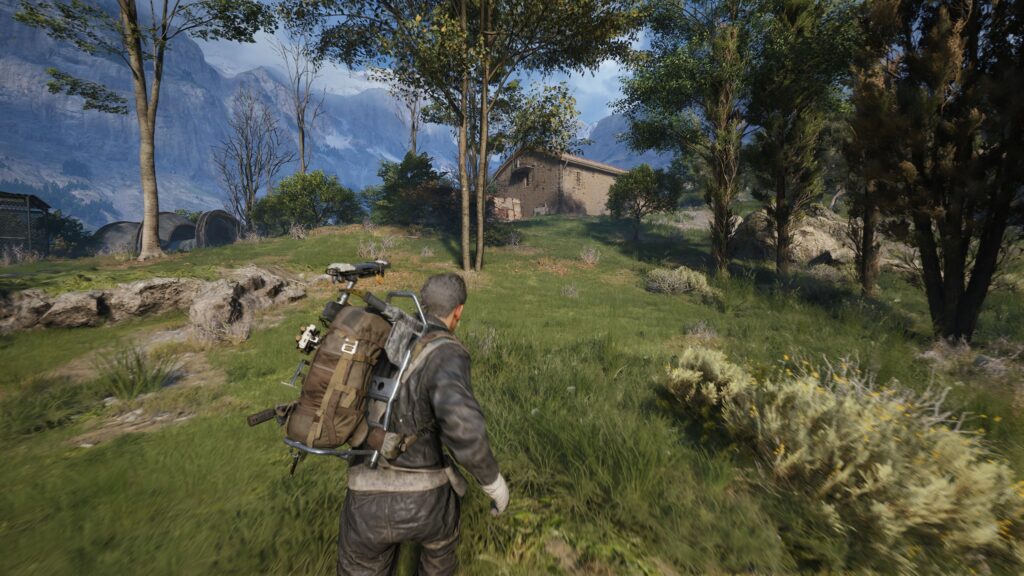
- **Crude Polymers:** Found in non-military plastic debris. Essential for synthesizing consumable medical supplies (bandages, low-dose adrenaline) and low-yield explosive casings.
- **Basic Wiring Looms:** Salvaged from defunct civilian electronics. Critical for connecting components and maintaining the charge integrity of Shock Traps.
RCT dictates that common materials should be spent liberally on maintenance and non-specialized ammunition, preserving higher-tier materials for advanced applications.
Tier II: Refined and Chemical Components (Uncommon)
These materials require specialized processing or are found only within high-tier industrial ruins. They are the essential link between basic salvage and powerful combat gear.
| Material | Source/Acquisition | Valuable Use (RCT Priority) |
|---|---|---|
| **Refined Alloys** | High-grade structural beams, Warden plating. | Heavy armor plating upgrades, high-velocity rifle receivers. |
| **Stable Propellants** | Pre-collapse fuel depots, discarded rocket stages. | Manufacturing high-muzzle-velocity ammunition (DM rounds) and high-impact explosive payloads. |
| **Integrated Circuits** | Advanced civilian computers, damaged ARC controllers. | Upgrading Recon Grenade tracking range and Jammer Grenade pulse strength. |
Tier III: Exotic and ARC Components (Rare)
These materials are exclusively sourced from advanced or disabled ARC units and orbital wreckage. They are the limiting factor for high-tier technological leaps.
- **Fusion Power Cores (Intact):** Salvaged from destroyed heavy ARC units. Essential for manufacturing Fusion Charges and maximizing the output of the Shield Wall emitter. They are highly volatile and must be handled with extreme care.
- **Optical Lenses (Unfractured):** Recovered from Seeker drones or high-security sensor arrays. Vital for crafting long-range DM scopes and precision sighting systems.
- **X-Isle Polymer Resin:** A unique, resilient compound found only in specialized, protected ARC caches. Used for creating magnetic clamps for the Grappling Hook and synthesizing specialized medical treatments.
The Priority of Preservation
RCT emphasizes preservation over immediate use. Rare materials should never be spent on low-priority crafting. For example, a Fusion Power Core should only be utilized for a Fusion Charge when a high-threat Warden presence is confirmed in the target zone. Spending rare materials on routine maintenance is a sign of poor resource discipline.
Logistics and Resource Diversification
A well-organized Raider team must specialize its material collection. One Raider should focus on salvaging common structural components, while another (often the Designated Marksman) prioritizes the retrieval of rare optical and kinetic components necessary for their precision gear.
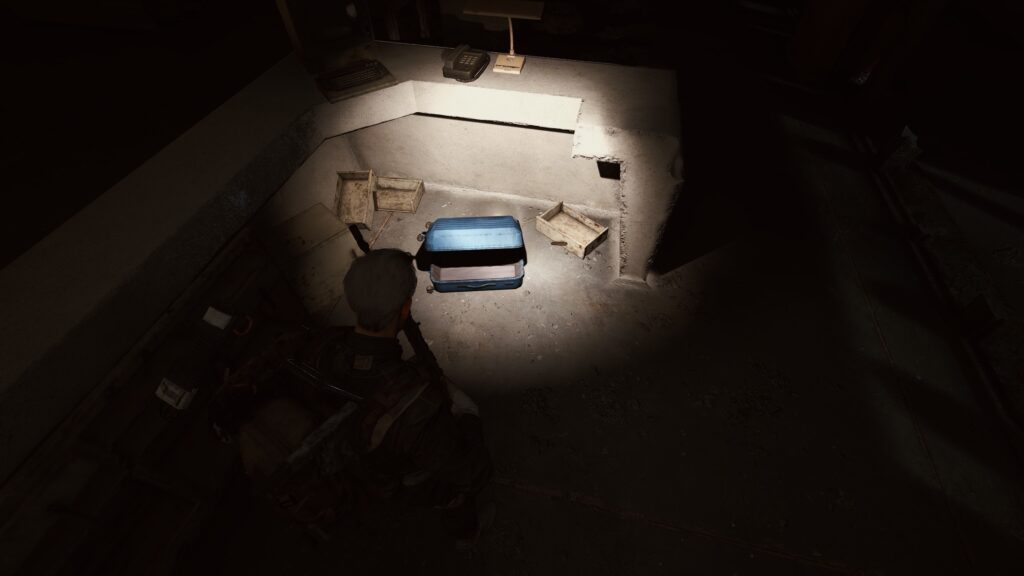
This diversification ensures a balanced supply chain in the Hub.
Conclusion: Materials as the Lifeblood
Our technological ingenuity relies entirely on the lifeblood of raw materials. RCT is the strategic framework that governs their use.
By understanding the provenance and value of every component, Raiders ensure that scarcity is managed, and that every material contribution directly supports the ongoing fight for survival against a technologically superior foe.
Leave a Reply