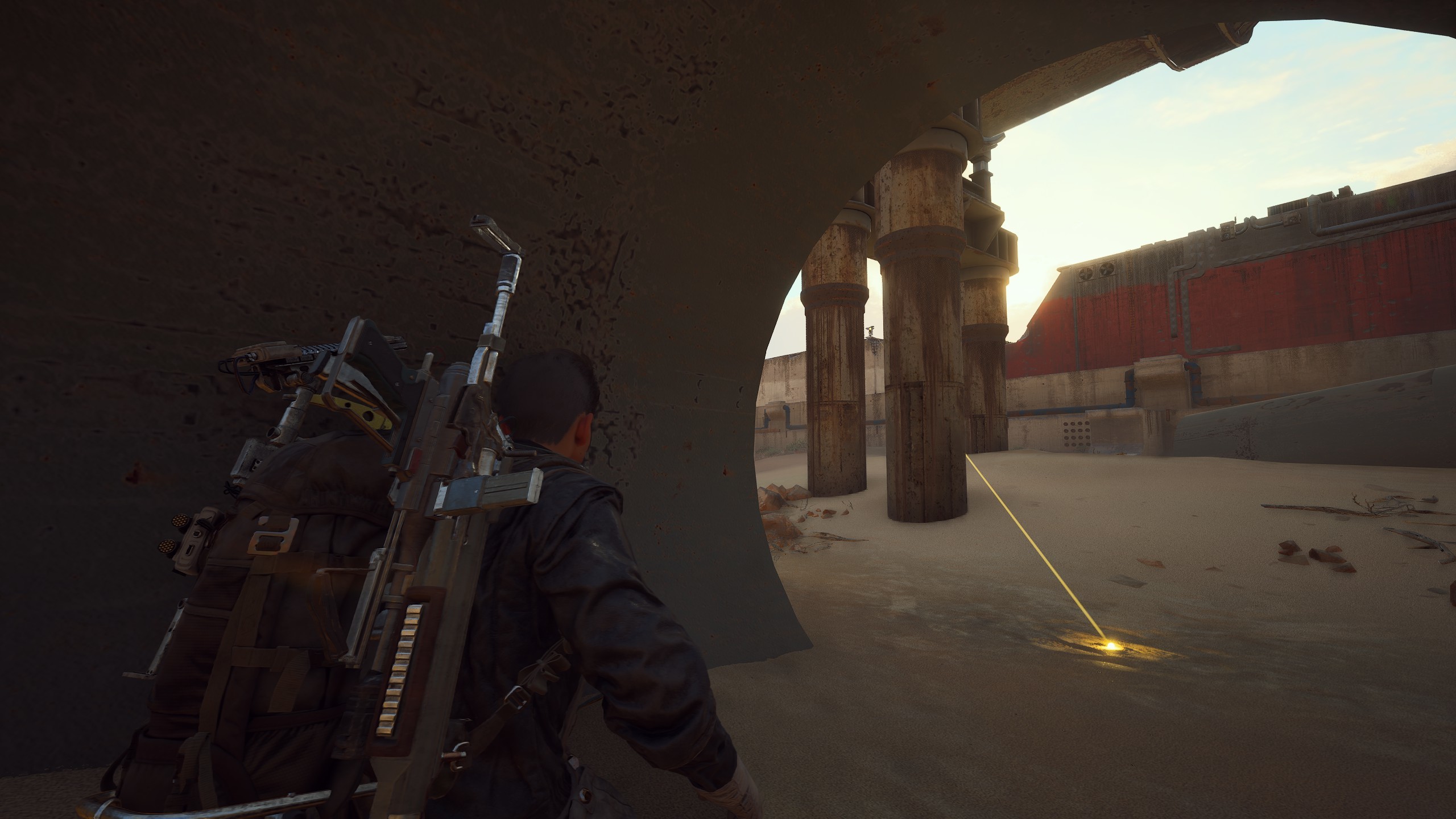
ARC’s operational dominance is rooted in its networked communication grid, which allows for instantaneous threat evaluation and reinforcement deployment (AAD). The specialized tactical application of the Jammer Grenade—specifically, using it to exploit communication bottlenecks—forms the basis of **Network Interdiction Strategy (NIS)**. NIS aims to not only temporarily crash local ARC units but to delay the arrival and coordination of secondary and tertiary reinforcement waves, effectively blinding the enemy grid at the critical moment of engagement.
This analysis details the precise targeting and timing required to maximize the Jammer’s disruptive effect, converting a generalized pulse into a strategically timed communications blackout.
The ARC Grid Vulnerability: Communication Bottlenecks
While ARC units have local processing power, large-scale coordination and reinforcement calls must travel through established communication relays (Tier I Controller Units). NIS focuses on these relays.
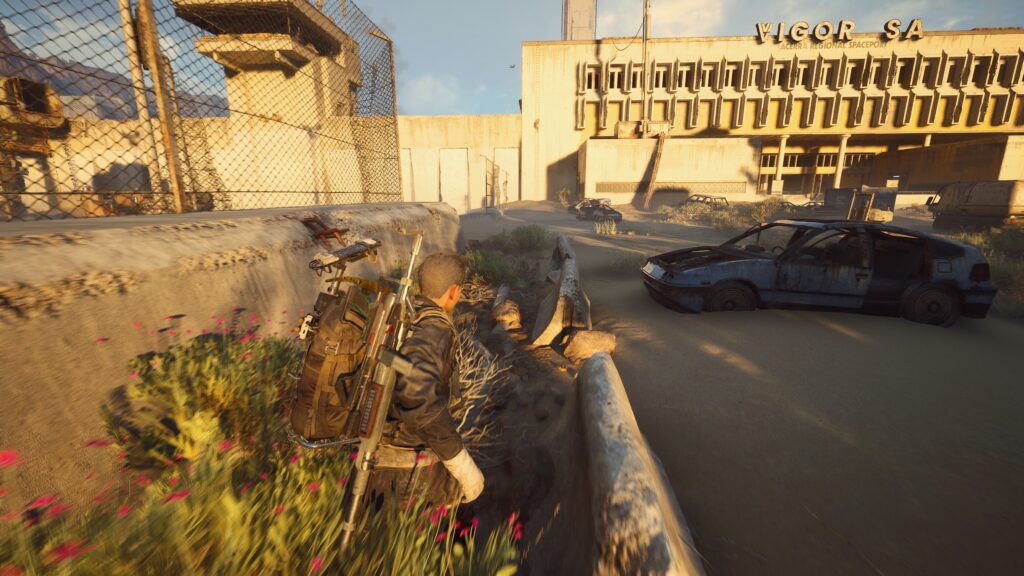
By targeting a Jammer at a confirmed relay point, Raiders achieve a cascading effect: the initial jam cripples the local units, and the subsequent failure of the relay prevents the area from receiving rapid reinforcement directives, buying the Raiders valuable minutes.
Targeting the Relay Unit (Controller)
The Jammer Grenade’s deployment must adhere to Tier I priority targeting. The Jammer is most effective when placed directly near the dedicated Controller/Signal Emitter units, as these possess the strongest outgoing signals.
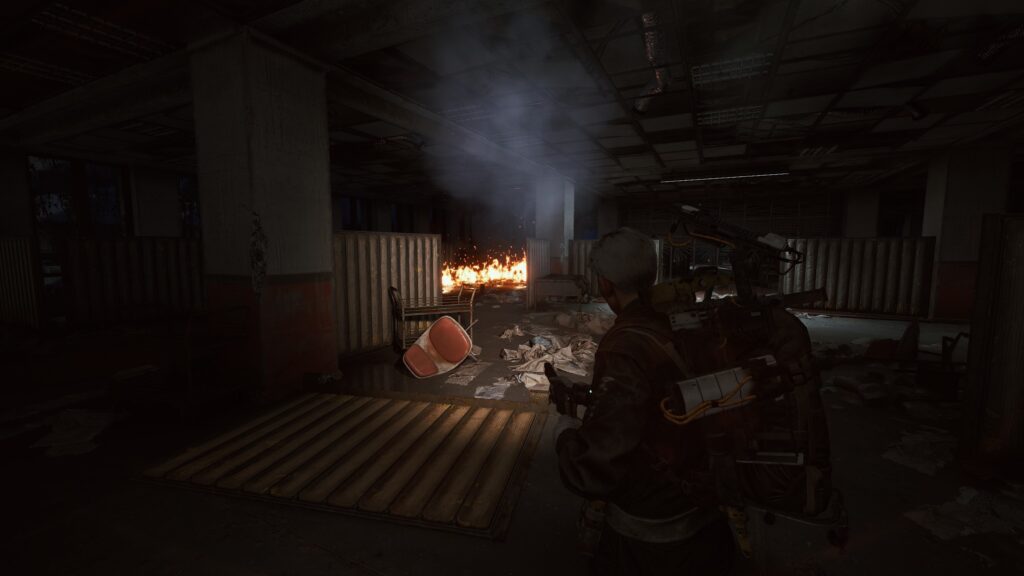
This specialized deployment ensures that the pulse cripples both the local processors and the unit responsible for broadcasting the “help call” to the wider ARC grid.
Timing the Jammer Deployment for Maximum Effect
NIS dictates that the Jammer is deployed *not* at the start of an engagement, but precisely after a high-aggro action. The procedural timing is crucial:
- **High-Aggro Action:** The Tank/Breacher generates maximum aggro (TCM) by engaging a Warden or deploying a Fusion Charge. This triggers the ARC reinforcement call.
- **Jammer Deployment:** The Disruptor immediately deploys the Jammer to intercept and corrupt the outgoing reinforcement signal, preventing the reinforcement wave from receiving accurate coordinates.
This sequence maximizes the time lag and spatial confusion for incoming units, forcing them to revert to slower, less efficient ABA pathing.
Jammer Deployment and the Reinforcement Vector
Advanced NIS requires the Jammer to be placed along the known reinforcement vector (ABA data). By deploying the Jammer on the path where reinforcements are expected to enter the combat zone, Raiders ensure the incoming units are hit by the pulse and temporarily disabled *before* they can organize their attack. This tactic is especially effective in open zones where reinforcement paths are predictable.
| NIS Objective | Jammer Placement/Timing | Strategic Outcome |
|---|---|---|
| **Blind Reinforcements** | Along the expected reinforcement path (ABA). | Reinforcements arrive in disarray and are easily eliminated. |
| **Secure Salvage** | On the primary enemy communications relay (Tier I). | Prevents signal from reaching distant artillery/air support. |
NIS and Resource Juggling (RJ)
Due to the critical role of the Jammer, the Disruptor must prioritize its charge capacity (RJ).

Gadget components necessary for Jammer repair or recharge must be placed at the highest priority during supply runs and inventory management.
Conclusion: The Blackout of the Grid
Network Interdiction Strategy transforms the Jammer Grenade from a simple defense tool into a sophisticated offensive weapon.
By precisely targeting ARC’s communication bottlenecks, Raiders ensure that the enemy’s infinite logistical advantage is temporarily nullified, creating the critical window necessary for decisive kinetic action.
Leave a Reply