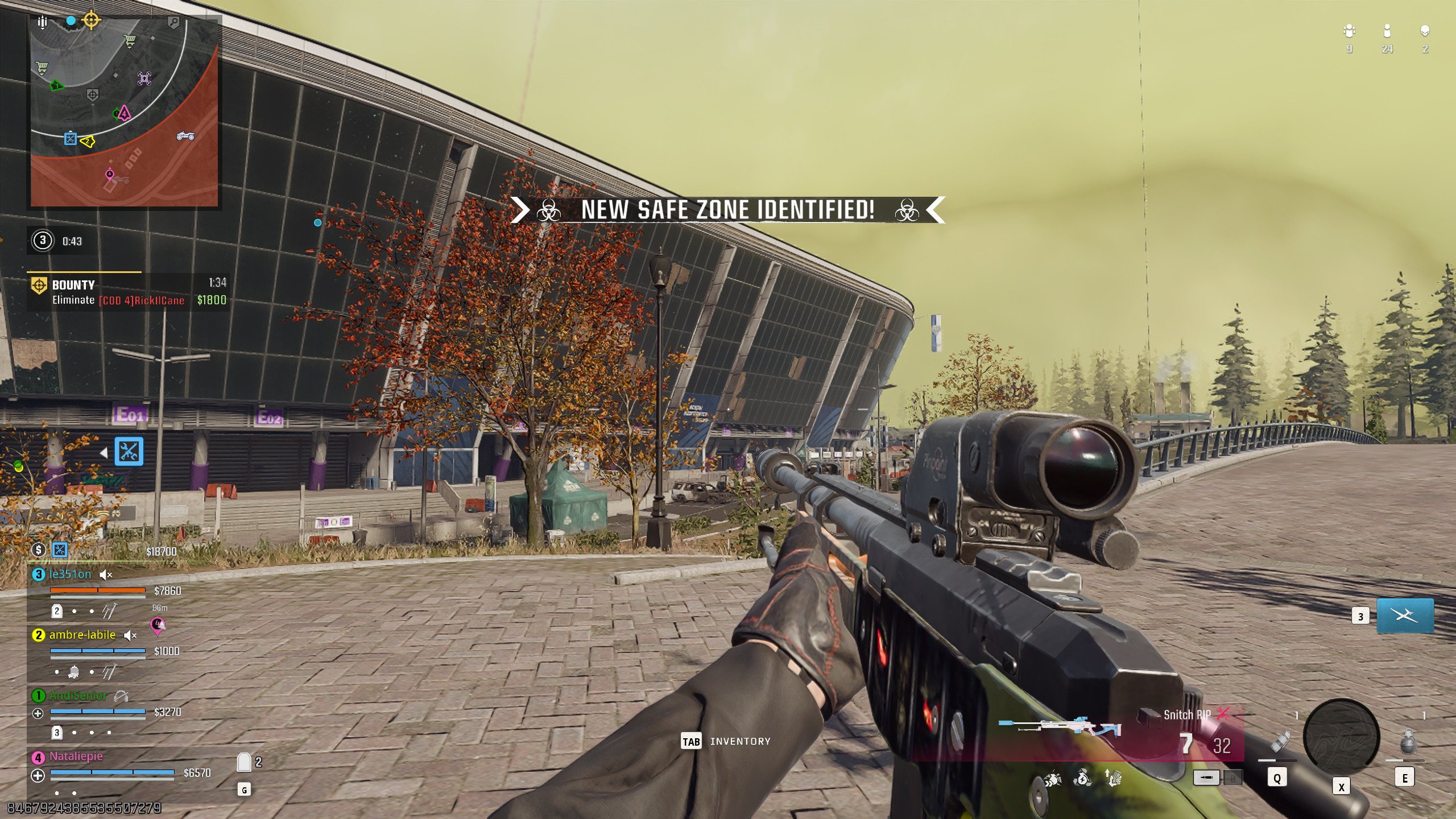
Every Warzone player knows the gas circle decides everything—from where fights happen to who wins the final zone. Yet, few truly understand how to predict circle shifts and position themselves accordingly. Reading the circle isn’t luck; it’s pattern recognition and strategic planning. Master this skill, and you’ll consistently stay one step ahead of collapsing zones and unprepared opponents.
This guide breaks down how to anticipate zone behavior, rotate efficiently, and position for late-game dominance in Warzone 2025.
Understanding Circle Phases
The circle progresses in predictable phases, each tightening both time and space. The first two zones are the setup phases, where you gather loot and prepare rotations. The mid-game zones force movement and begin shaping player clusters, while the final two are about control and survival.
Recognizing when to move during each phase prevents panic rotations and keeps your team in safe, dominant positions. Early movement almost always beats last-second sprints against the gas.
Reading Circle Behavior
Circle behavior isn’t random—it follows general tendencies based on flight paths and map design. Initial circles usually pull toward less-populated regions, while later ones favor areas with terrain variation for cover. Understanding these trends lets you predict high-probability zones even before the first collapse.
Players who memorize past zone patterns across matches gain a map sense that feels almost psychic, turning rotations into proactive maneuvers instead of desperate reactions.
Early Game Positioning
After looting your initial drop, check the first circle immediately. If you’re near the edge, prioritize contracts that lead you inward—Scavenger or Recon missions work best. Avoid chasing early fights outside the safe zone, as they often lead to wasted resources and early deaths.
Smart teams move during the first gas collapse while other players are distracted looting or fighting on the perimeter.
Mid-Game Rotations and Safe Zones
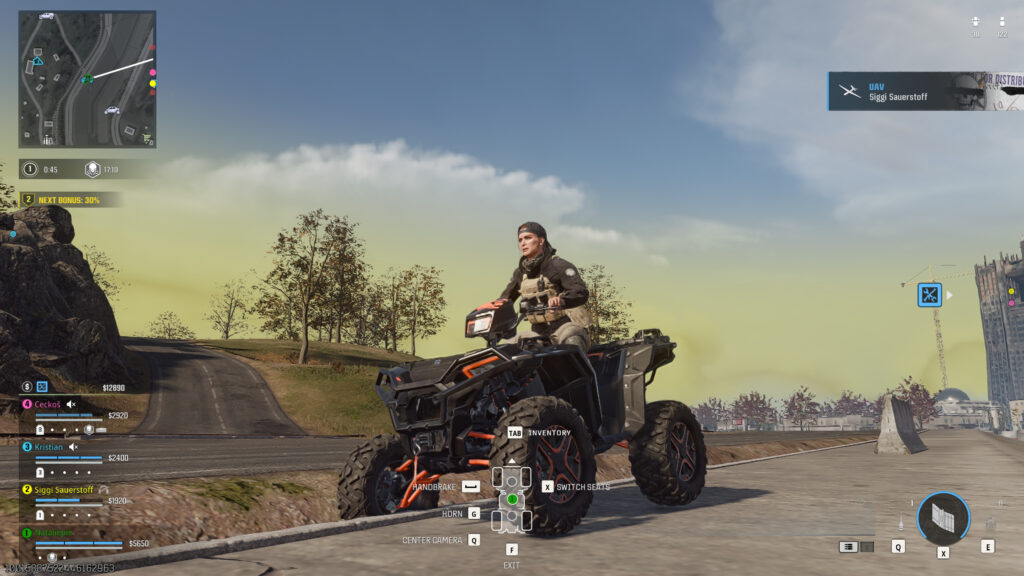
The middle stages of a Warzone match are where most teams fail. As the second and third circles close, start planning rotations using terrain and vehicles. Move along the outer edge if you prefer stealth, or rotate early to control central strongholds if your team is confident.
Here’s a breakdown of mid-game rotation strategies:
- Edge Rotation: Safe and slow—ideal for snipers and cautious teams.
- Central Control: Risky but rewarding—secures prime ground early.
- Shadow Rotation: Move behind collapsing gas using smokes for stealth repositioning.
Endgame Positioning and Prediction
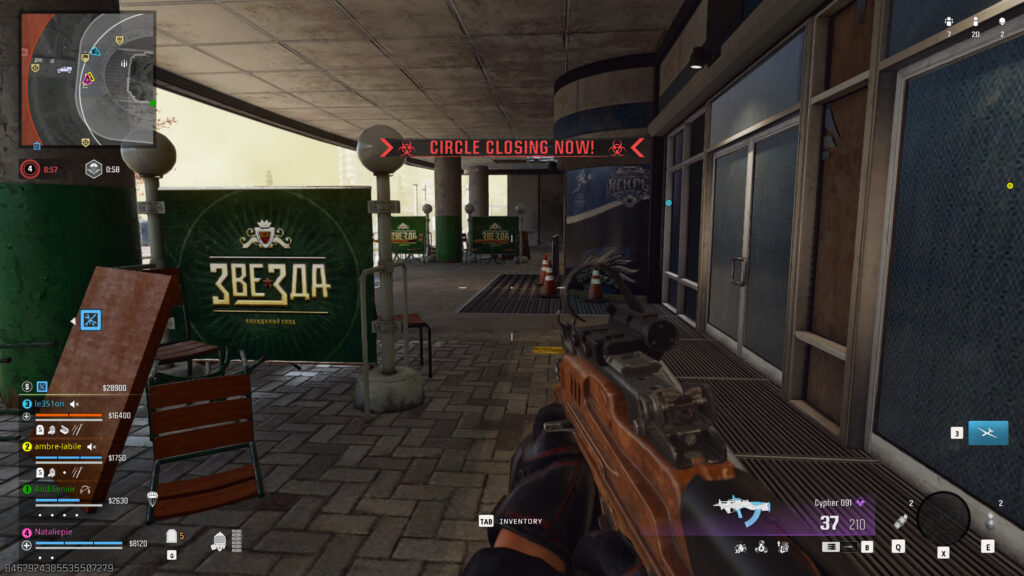
Endgame circles punish hesitation. Position on high ground or within structures that provide cover and escape routes. Watch for where the gas splits—Warzone’s final phases often form multiple shrinking zones that favor players already positioned on natural terrain advantages.
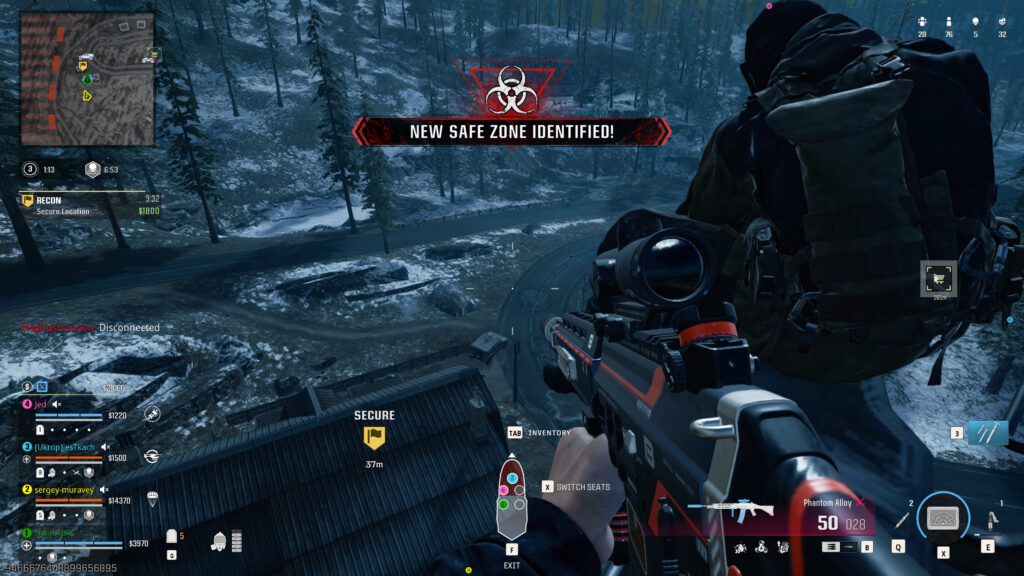
The key to winning the last circle is foresight. Track opponent movements with UAVs and sound cues, anticipate where the next pull will favor, and move seconds before others commit. Timing, not speed, wins final fights.
Common Mistakes in Circle Reading
Many players fail because they overstay in bad positions or rotate too late. Chasing fights on the wrong side of the gas, ignoring high ground, or using vehicles during final phases all expose you unnecessarily. Learn when to disengage and relocate—survival often comes from restraint, not aggression.
The table below summarizes typical circle-related mistakes and how to correct them:
| Common Mistake | Consequence | Fix |
|---|---|---|
| Late rotations | Trapped by gas or third parties | Move early before collapse |
| Central camping too long | Surrounded by multiple squads | Reposition after each circle |
| Ignoring elevation | Loss of sightlines and cover | Prioritize high ground zones |
| Vehicle overuse late game | Revealed location and exposure | Use smokes and foot rotations |
Conclusion
In Warzone 2025, knowledge of the gas is just as deadly as any weapon.
Leave a Reply