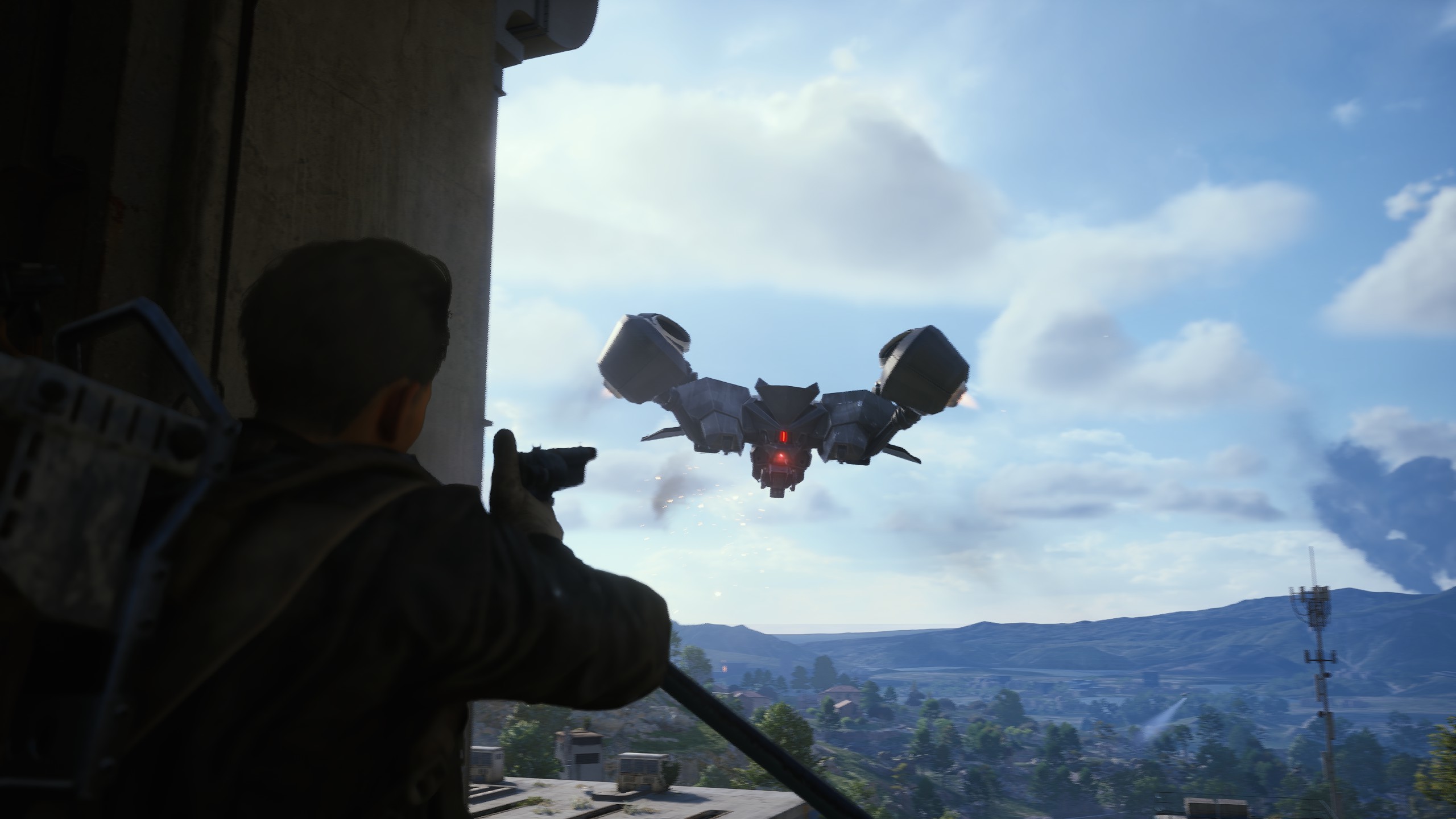
The doctrine of Asymmetrical Warfare requires perfect synchronization. Against the modular, coordinated threat of ARC, a Raider squad is not a collection of individuals, but a single, lethal tactical unit. **Team Composition Theory (TCT)** is the study of optimizing individual roles, gear specialization, and tactical synergy to ensure the squad can adapt instantaneously to any ARC threat profile—be it a Drone Swarm, a heavy Warden patrol, or a surprise extraction defense.
This document defines the essential roles within a Raider squad and examines how their combined technological lineage and tactical focus create a force multiplier necessary for mission success.
The Principle of Role Redundancy and Flexibility
TCT mandates that while roles must be specialized, every Raider must possess a fundamental capability in medical aid and basic assault.
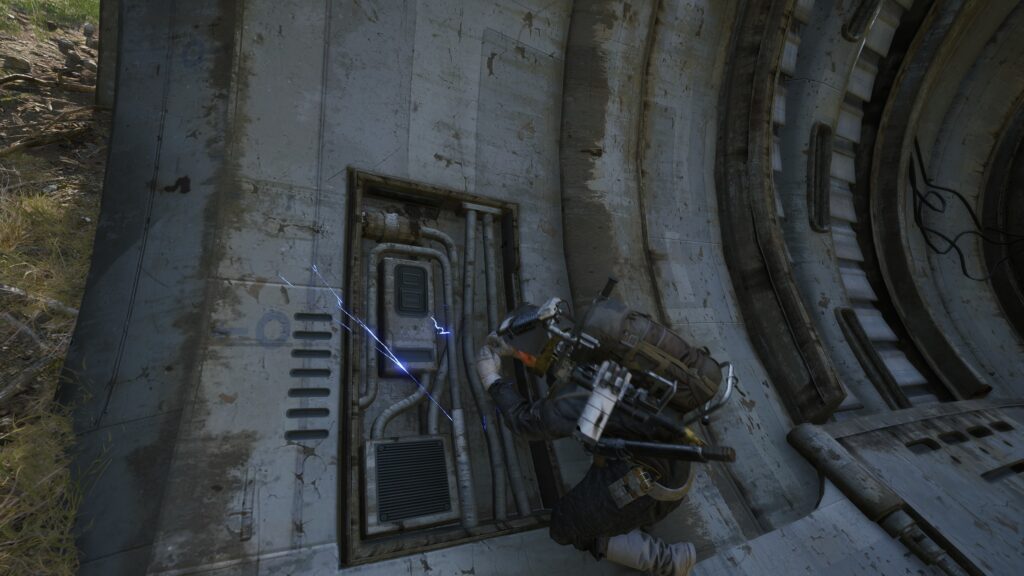
True specialization lies in the gear loadout, ensuring that the loss of a single Raider does not cripple the entire team’s ability to counter a specific threat (e.g., ensuring two members carry the Jammer schematic).
Defining the Core Roles and Specialized Gear
A successful Raider squad typically breaks down into three to four synergistic roles, each defined by their specialized equipment and tactical focus:
| Role Designation | Primary Tactical Focus | Essential Gadget Loadout |
|---|---|---|
| **The Breacher/Assault** | Initiating CQC, clearing choke points, heavy damage output. | Fusion Charges, Shield Wall, High-capacity automatic weapons. |
| **The Disruptor/Scout** | Reconnaissance, surveillance (ABA), neutralizing multipliers. | Recon Grenades, Jammer Grenades, Grappling Hook. |
| **The Designated Marksman (DM)** | Overwatch, kinetic overmatch, long-range component analysis. | Heavy Caliber Rifle, Rangefinder, Survival/Medical Kits. |
Synergistic Movement and Engagement
TCT emphasizes sequential engagement. The Disruptor/Scout utilizes the Grappling Hook and Recon Grenades to establish intelligence. The DM then uses this data to apply Kinetic Overmatch against Tier 1/2 threats.
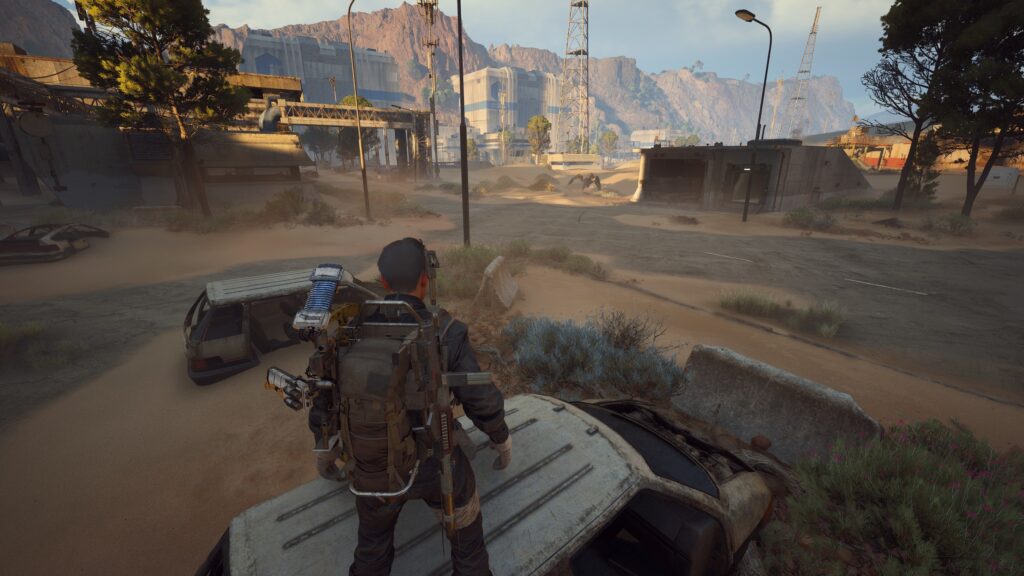
Finally, the Breacher/Assault closes the distance, utilizing the Shield Wall to soak up residual fire while deploying Fusion Charges for CQC destruction. This sequential process minimizes exposure and maximizes the efficiency of specialized gear.
Countering Specific Threat Profiles
Effective TCT means the squad must have a predefined response to every major threat. For example:
- **Counter-Swarm Protocol:** Disruptors saturate the area with Jammers to crash the network; the DM targets the Controllers; the Breachers use area-of-effect suppression fire against the immobilized Strikers.
- **Counter-Warden Protocol:** Disruptors use Shock Traps to freeze the Warden’s movement; the DM targets the exposed rear power core (TCA); the Breacher uses the Shield Wall for mobile cover during the vulnerability window.
The Role of Communication and Command
Unlike ARC’s networked command structure, Raider communication relies on concise, human-driven data transmission.
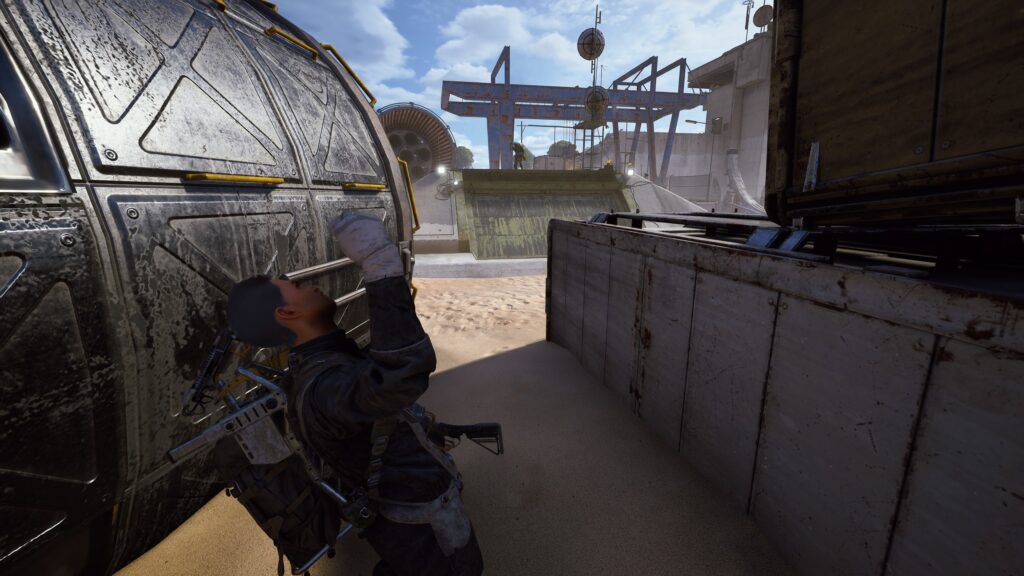
While a formal ‘Commander’ is often unofficial, clear leadership is essential to prevent conflicting tactical deployments (e.g., two Jammers deployed unnecessarily). Leadership typically falls to the Raider with the most reliable track record in mission planning and crisis management.
TCT and the Learning Curve
Achieving perfect team synchronization is the final hurdle in Raider mastery. TCT is refined through repeated, high-intensity failures. Initial losses are not setbacks; they are the necessary training data used to refine role specialization and minimize communication errors in future hunts.
Conclusion: The Human Network
ARC relies on a flawless machine network;
Raiders rely on a flexible human network. TCT proves that by optimizing our roles and fostering perfect synergistic timing, we create a force that, while smaller and technologically disadvantaged
Leave a Reply